Shad Display Font for Handmade Product Labels and Shop Branding
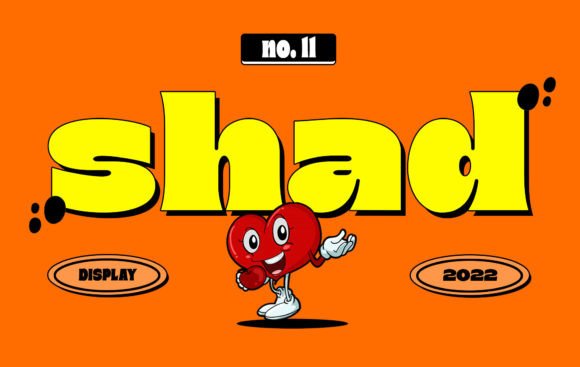
I remember the first time I pulled Shad up on my screen while designing a new line of soy candle labels for my shop. The moment I typed the scent name into the preview box, something clicked. The letterforms had a graceful, almost hand-drawn quality that immediately made the mockup feel finished, like a real product ready for photography. That is the kind of instant polish Shad brings to handmade work. As a display font, it carries a lovely balance between decorative charm and readable structure, which is exactly what I need when I am crafting labels, cards, and packaging that have to communicate quality without shouting. Shad is a beautiful display font that belongs in every maker’s type library, whether you are printing sticker sheets for your Etsy shop or designing a wedding welcome sign for a client. Its visual personality sits somewhere between vintage elegance and modern simplicity, making it incredibly versatile for physical products and digital downloads alike.
Shad for Candle Labels and Product Tags
When I started testing Shad for candle labels, I printed a few sample rounds on matte sticker paper and stuck them onto plain glass jars. The font handled short scent names like “Vanilla Bean” and “Cedar + Sage” with a refined presence that made the jars look like they belonged in a boutique. Because Shad is a display font, it works best for headline text, product names, and short branding lines rather than long ingredient lists. I found that pairing it with a clean sans serif for the smaller details created a professional hierarchy on the label. For product tags, Shad gives handmade goods a cohesive, thoughtful look that customers notice when they unbox an order. I have used it on thank-you tags, pricing cards, and even small hang tags for crocheted items. The font’s consistent stroke weight and open letter shapes keep it readable even when printed at smaller sizes, which is a common concern when scaling a decorative typeface down for tags and stickers.
Shad for Wedding Invitations and Greeting Cards
Wedding stationery is one of those projects where the right display font can make or break the overall feel. I tested Shad on a digital mockup for a botanical-inspired invitation suite, and the results were immediately promising. The font held its elegance in the couple’s names and the reception headline, while still feeling approachable enough for a casual garden ceremony. For greeting cards, Shad works beautifully for the main sentiment on the front, whether it is a birthday message, a congratulations note, or a simple “thank you.” I printed a few card fronts using Shad at around 48 point size, and the letters printed cleanly without any ragged edges or loss of detail. The font’s natural rhythm gives handmade cards a custom, letterpress-like quality that customers often associate with higher price points. If you create printable card templates for your shop, Shad adds instant visual interest without requiring complex layered designs.
Shad for Printable Wall Art and Home Decor
Printable wall art is a staple in many handmade shops, and Shad is a fantastic choice for quote prints, typography posters, and seasonal decor. I designed a set of farmhouse-style prints with short inspirational phrases, and the display font gave each piece a warm, lived-in feel that photographs well for listing images. Because Shad is not overly ornate, it works for both minimalist and layered compositions. I also used it on a “Gather” sign for a home decor mockup, and the letterforms looked natural on both digital previews and physical prints. For makers who sell SVG-ready designs or cut files, Shad is suitable for vinyl projects like welcome signs, family name plaques, and wooden decor pieces. The font’s shapes translate well into single-layer designs, which is important when preparing files for Cricut or Silhouette machines. I recommend testing a sample cut on vinyl or cardstock to confirm spacing, but Shad generally performs reliably for home decor applications.
Shad for Boutique Packaging and Branding Materials
Branding consistency matters when you are a small shop owner trying to build recognition, and Shad can anchor that identity across multiple touchpoints. I used it for the main logo mark on a set of boutique packaging mockups, including tissue paper inserts, sticker seals, and small boxes. The font carried the same warmth from the product label to the shipping insert, creating a cohesive customer experience. For photography backdrops, I printed a simple brand statement using Shad on a kraft paper sign, and it photographed clearly without competing with the product itself. Shad is also a strong candidate for social media graphics, blog headers, and promotional posters because it reads well at various sizes on screen. When building a brand kit, I typically choose one display font like Shad for headlines and pair it with a neutral sans serif or a simple serif for body copy. This combination keeps the brand looking intentional without overwhelming the viewer.
Shad Font Readability for Cutting Machines and Small Stickers
One of the first things I check when considering a display font for physical products is how it performs on cutting machines and at small scales. I tested Shad on a sheet of vinyl stickers about one inch wide, and the letterforms remained legible with no thin hairlines that might tear during weeding. The font’s balanced proportions make it a reliable choice for small sticker designs, product labels, and planner stickers where space is limited. For makers who sell digital planner kits or printable sticker sheets, Shad works well for headers, weekdays, and decorative titles. I also tested it on a batch of gift tags printed on textured cardstock, and the ink coverage was even with no bleeding around the edges. If you plan to use Shad for cut files, I suggest running a test cut on your material of choice to fine-tune the offset settings, but the font’s structure generally requires minimal adjustment. This reliability is a huge time saver when you are producing multiple products for a seasonal launch.
Pairing Shad Display Font with Sans Serif and Script Fonts
A single display font rarely carries an entire product line on its own, and knowing how to pair Shad with other typefaces will elevate your designs. I have found that Shad pairs beautifully with a clean sans serif like Montserrat or Lato for body text, ingredient lists, and fine print. The contrast between the decorative headline and the neutral body creates a clean visual hierarchy that customers can follow easily. For a more romantic look, I also tested Shad with a light script font on a wedding invitation mockup, and the combination felt cohesive without clashing. The key is to keep the script font simple and avoid competing flourishes. For farmhouse or rustic branding, a handwritten font or a simple serif works well alongside Shad. I typically use Shad for the main message and limit decorative elements to one additional typeface. This approach keeps the design balanced and ensures the font remains the focal point rather than getting lost in a busy layout.
Shad Font Commercial Licensing and File Formats for Sellers
Before you start using Shad on products you intend to sell, it is important to check the included file formats and commercial license terms. Most display fonts are available in OTF, TTF, and sometimes WOFF formats, and knowing which one works best for your workflow matters. I always confirm that the license covers physical merchandise like printed labels, stickers, mugs, shirts, tote bags, and signs, as well as digital products like printables, templates, and SVG-style designs. Some licenses also include allowances for logo design and branding work, which is helpful if you offer custom design services. I also check whether the font includes alternates, ligatures, swashes, or multiple weights, as these extras can add variety to your projects without purchasing additional styles. If you create products for international customers, multilingual support is another factor to verify. Taking a few minutes to review the licensing details upfront saves time and ensures you can use Shad confidently across your entire product line, from seasonal decor to year-round shop staples.